A Global Lens on the Science of Learning
UQ Learning Lab Symposium 2025
The University of Queensland Learning Lab hosted its Annual Symposium on Friday, November 28, 2025. Themed A Global Lens on the Science of Learning, the day brought together researchers, educators, school leaders, students and industry partners from Australia and abroad to consider learning and wellbeing across the lifespan and in diverse contexts. The program featured two keynotes, presentations from our Partner Schools on their year-long research-informed projects, three case studies on mobilising research on the science of learning, a poster session, and a closing panel on the future of the science of learning. Through these sessions, attendees considered how research, practice and lived experience can come together to drive meaningful and sustainable change.

Session One Highlights — Learning & Wellbeing Across the Lifespan and Diverse Contexts
Session One opened the day with two keynotes that set a global lens on learning and wellbeing. Professor David Osher (UQ Learning Lab Adjunct) presented Thriving for Deeper Learning in School and Life, sharing decades of work on the science of learning and development. He argued that resilience and thriving are deeply social, growing out of the conditions schools build for young people, and made the case for coherent, joined-up school design over piecemeal programs. Associate Professor James Kirby (UQ Compassionate Mind Research Group) followed with The Inner & Outer Self: Facilitating Learning and Wellbeing Through Compassion-Based Approaches, introducing the three flows of compassion (to the self, to others, and from others) and the Three Circles model of emotion. He showed how compassion-based practices can lift both learners and the educators who teach them.

Session Two Highlights — Research from our Partner Schools
Session Two turned the day over to our Partner Schools, who shared findings from a year of research-informed inquiry in their own contexts. School teams presented projects spanning learner identity, school transitions, teacher wellbeing, scholarship, the development of character, personalised learning, embedding the Metacognition Toolkit, academic wellness through self-regulation, student perceptions of feedback, and curious classrooms. Each project sat firmly inside its school's own context, but together they showed the power of teacher-led inquiry and the value of sustained partnerships between schools and researchers.

Session Three Highlights — Mobilising Research on the Science of Learning
Session Three explored how the science of learning is being mobilised at scale. The BCE team, working in partnership with the UQ Learning Lab, opened with Teaching for Learning: Building a Living Learning Model Informed by the Science of Learning. Working across 146 schools and more than 78,000 students, BCE shared how a long-running partnership with the UQ Learning Lab is maturing the existing BCE Model of Pedagogy into a coherent, evidence-informed model that supports teachers through near, medium and far layers of support. Professor Annemaree Carroll then presented Bridging Schools and Communities: Tackling Student Absenteeism Through a Social Justice Approach, framing worsening student absenteeism as a matter of social justice rather than individual blame, and showing how an integrated school and community approach can support attendance for students from low socioeconomic backgrounds. Dr Natasha Matthews closed the session with Cognitive Offloading and the Developing Brain, unpacking what cognitive offloading is, drawing on recent research linking heavy AI use with lower critical thinking, and asking what over-reliance on external tools might mean for children's developing thinking skills.

Panel Discussion — Voices for the Future of the Science of Learning
The day concluded with a lively panel discussion that brought together researchers, educators, and industry partners to reflect on the evolving relationship between research and practice. Panellists explored how to better facilitate the flow of knowledge between classrooms, universities, and workplaces; the role of educators and practitioners in shaping research questions; and the value of long-term, cross-sector partnerships. The conversation highlighted shared challenges and sparked fresh ideas for deepening collaboration, with a clear message: when researchers, educators, and industry work together, meaningful and sustainable change is possible.

Student Early Career Researcher Posters
The posters presented at the symposium showcase a range of research projects from members of the UQ Learning Lab, including higher degree research (HDR) PhD students. These projects explore the design of learning strategy interventions, problem-solving assessment in international contexts, and family and school partnerships supporting student attendance, reflecting the breadth of research underway in the UQ Learning Lab.
- Dr Jonathan Brazil: Designing impactful learning strategy interventions
- Ilham Phalosa: Reconceptualizing Problem-Solving Assessment: Bridging Indonesian Project-Based Learning with Global Skills Frameworks
- Tarissa Hidajat: Supporting student attendance: Exploring shared and differing perspectives of families and school staff

Partner Schools Posters
The Partner Schools posters highlight a range of student- and teacher-focused research projects, exploring topics such as teacher wellbeing, student perceptions of feedback, metacognition, scholarship, academic wellness through self-regulation, classroom curiosity, personalised learning, and character development. These projects reflect the ongoing collaboration between the UQ Learning Lab and its Partner Schools to investigate real-world learning practices and support student and teacher growth through evidence-informed approaches.
- Centenary State High School: Strategies Used to Manage Teacher Wellbeing
- Fintona Girls' School: Student Perception of Formative and Summative Feedback
- Pacific Lutheran College: What are the optimal conditions for sustainably embedding the Metacognition Toolkit at PLC?
- Ravenswood School for Girls: Understanding Scholarship: Principles for Scholarly Learning and Teaching in Our School Context
- St Catherine's School: Academic Wellness Through Self Regulation: Cultivating a Common Language & Triadic Partnership
- St John's Anglican College: Curious Classrooms
- Trinity Grammar School: Personalised Learning Across TGS
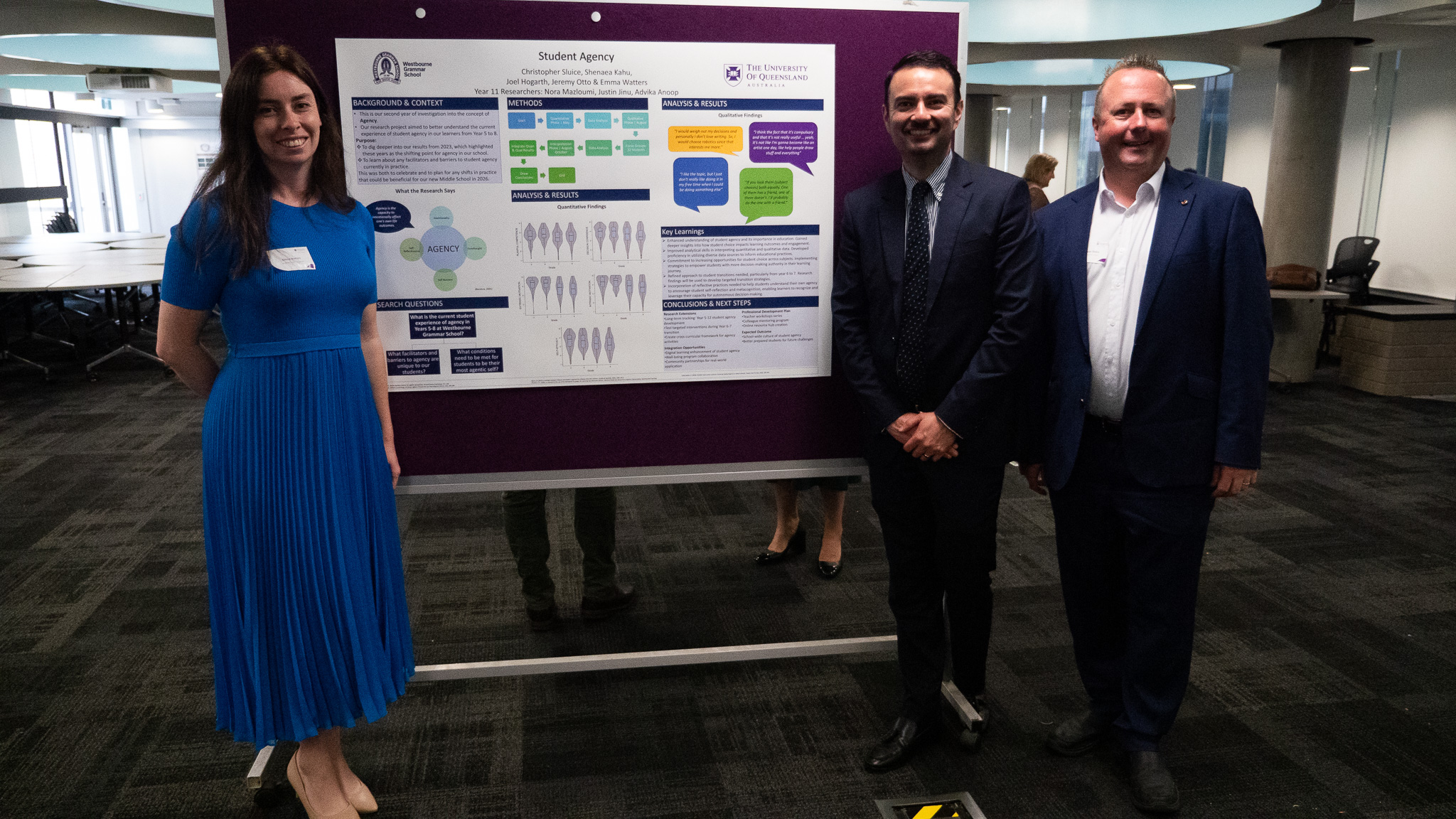
- Westbourne Grammar School: The Development of Character in Years 5–12

From Research to Practice and Back Again
UQ Learning Lab Symposium 2024
The University of Queensland Learning Lab hosted its Annual Symposium on Friday, November 22, bringing together researchers, educators, and industry leaders to explore how evidence-informed insights can shape—and be shaped by—real-world learning environments. The day featured thought-provoking presentations on adolescent brain development, self-regulated learning, student wellbeing, and workplace learning, as well as sessions showcasing innovative school and industry partnerships and practical strategies for mobilising research insights into practice. Through dynamic discussion and collaboration, attendees examined how research and practice can inform one another to drive innovation in learning, teaching, and training.
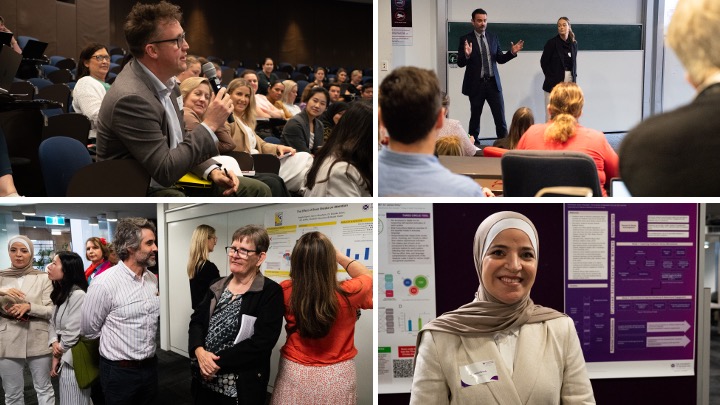
Session One Highlights — One Small Step: Research Led by Reality
Session One brought together leading researchers to explore how adolescent development, wellbeing, and self-regulation shape learning. Dr Imogen Stead shared insights from a large-scale neuroimaging study, revealing how cognitive functions like inhibitory control and decision-making continue to mature through adolescence. Professor Paul Dux presented findings from a longitudinal study with partner schools, showing that students’ metacognitive and emotion regulation skills are strong predictors of academic wellbeing. Dr Shyam Barr rounded out the session with practical strategies for embedding self-regulated learning in everyday classroom practice, bridging the gap between research and implementation.
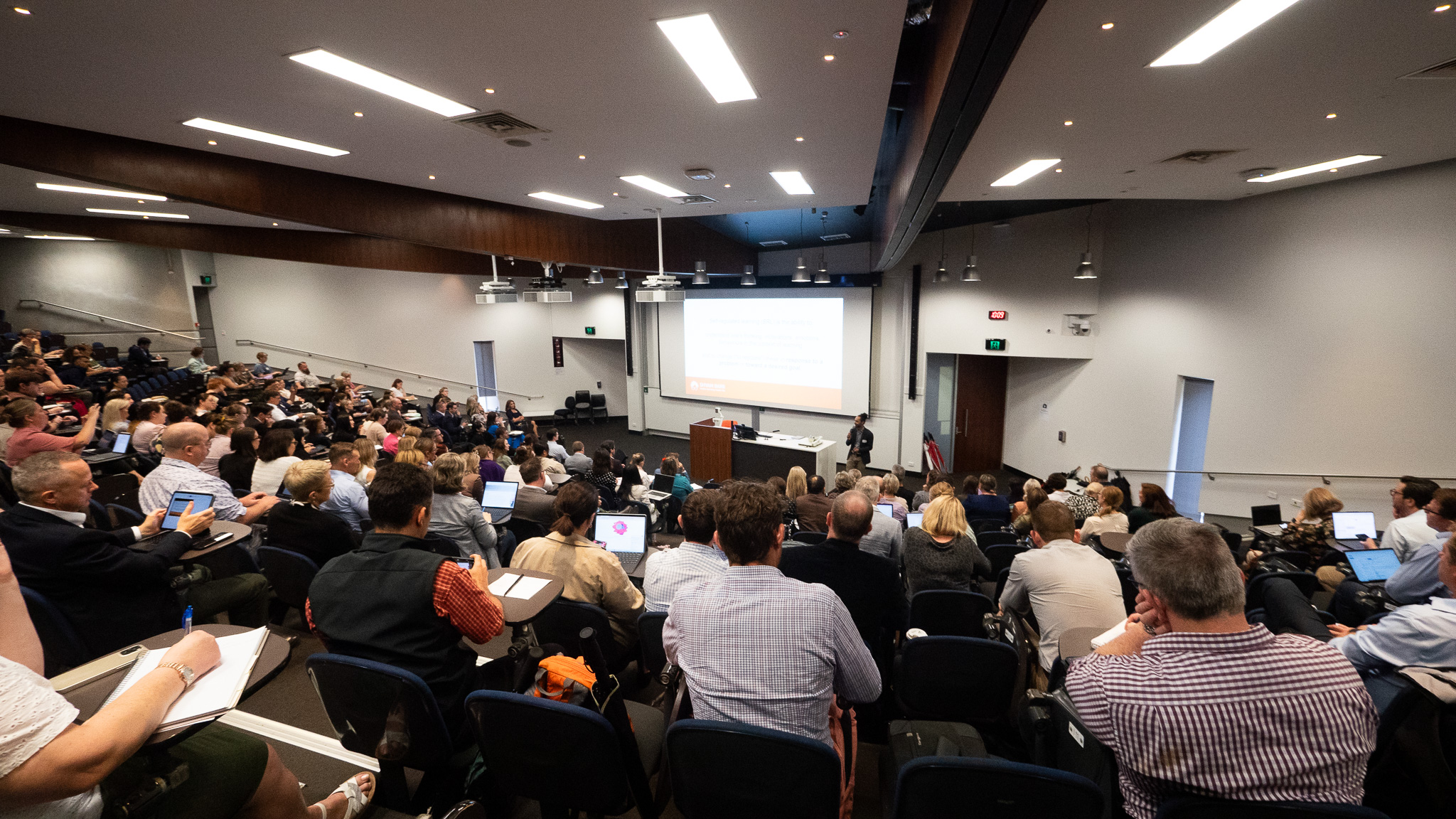
Session Two Highlights — Partner Schools Presentations: Research in the Real World
Educators from our Partner Schools shared findings from their year-long, research-informed projects. These sessions offered a valuable window into how teachers are applying the Science of Learning into practice in their unique contexts—testing new strategies, gathering data, and reflecting on outcomes. From exploring the role of student agency and curiosity, to investigating the impact of brain breaks, learner attributes, and teacher buoyancy, the projects demonstrated the power of teacher-led inquiry and reinforced the importance of school–researcher partnerships in driving meaningful educational change.
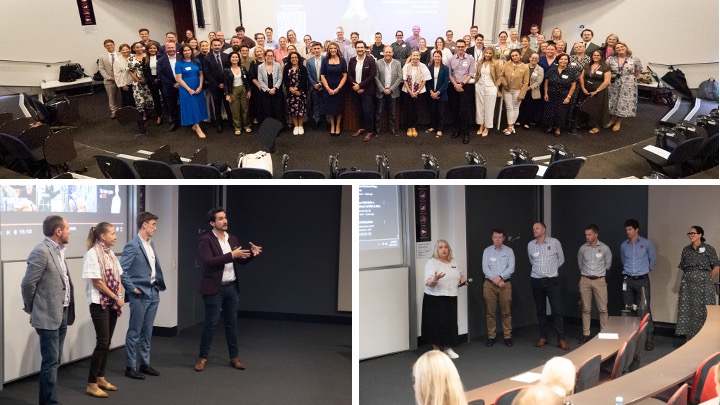
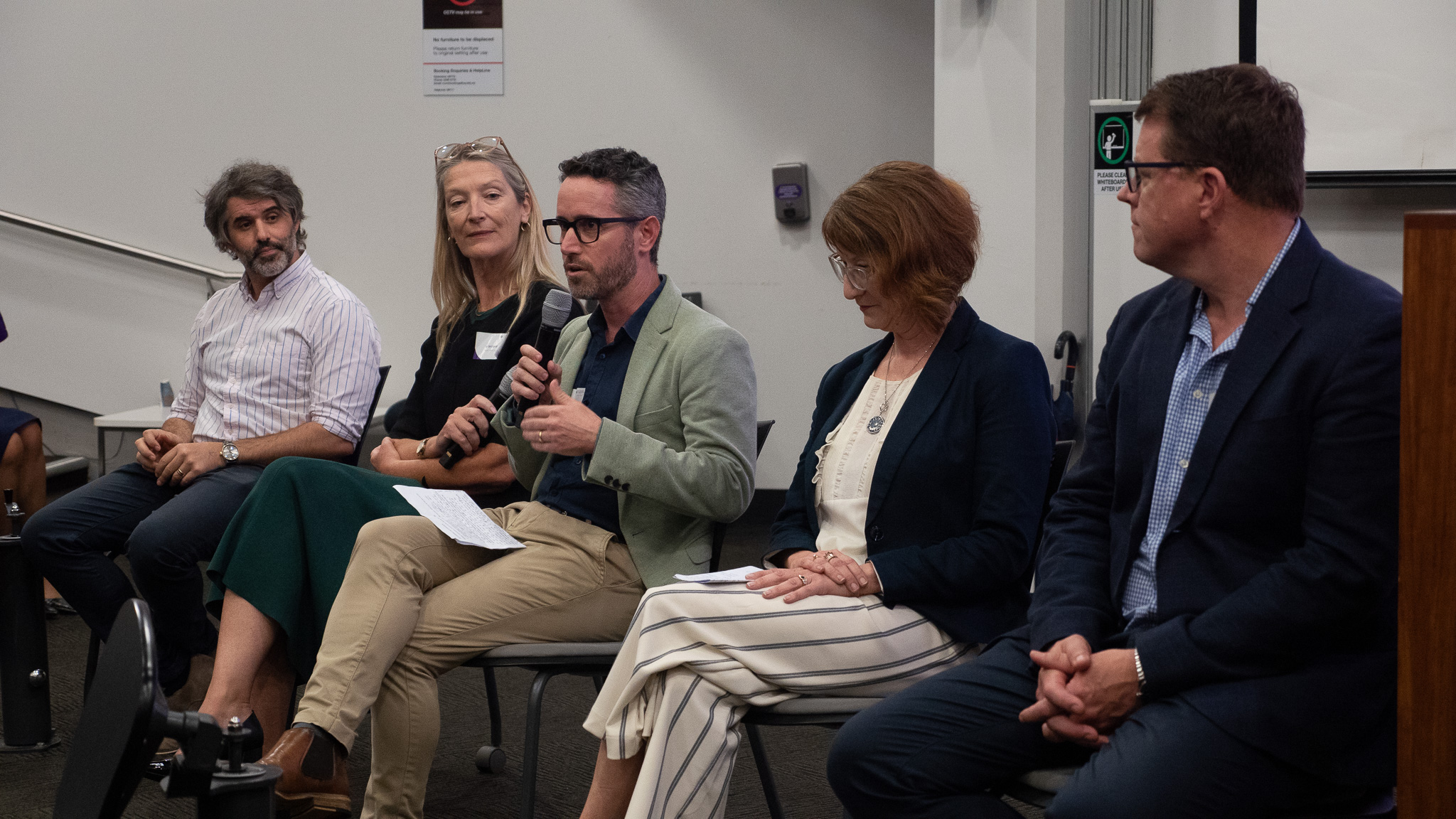
Panel Discussion — Guiding future voyages
The day concluded with a lively panel discussion that brought together researchers, educators, and industry partners to reflect on the evolving relationship between research and practice. Panellists explored how to better facilitate the flow of knowledge between classrooms, universities, and workplaces; the role of educators and practitioners in shaping research questions; and the value of long-term, cross-sector partnerships. The conversation highlighted shared challenges and sparked fresh ideas for deepening collaboration, with a clear message: when researchers, educators, and industry work together, meaningful and sustainable change is possible.
Student Posters
The posters presented at the symposium showcase a diverse range of research projects from members of the UQ Learning Lab, including higher degree research (HDR) PhD students and a lab winter scholar. These projects explore students’ study strategies, feedback engagement, emotional experience, and workplace mentoring, reflecting the breadth of research in the UQ Learning Lab.
- Dylan Moloney-Gibb: The three circles: A highly adaptive tool for capturing emotional experience in the real world
- Jonathan Brazil: What do students want in a study strategy intervention?
- Jumana Ayoub: Feedback Literacy in Focus: Exploring the Emotional and Behavioural Engagement of Pre-Service Teachers in Human and AI Interactions
- Tomas Smith: Mentoring in the Workplace: An Initial Review of Literature

Partner Schools Posters
The Partner Schools posters highlight a range of student- and teacher-focused research projects, exploring topics such as motivation, curiosity, wellbeing, self-regulated learning, metacognitive strategies, and academic buoyancy. These projects reflect the ongoing collaboration between UQ Learning Lab and its Partner Schools to investigate real-world learning practices and support student engagement through evidence-informed approaches.
- Balmoral State High School: Student Motivation to Use AI
- Centenary State High School: The Effect of Brain Breaks on Attention
- Pacific Lutheran College: What metacognitive strategies do students employ at the point of productive struggle?
- Ravenswood School for Girls: Cultivating Curious Classrooms
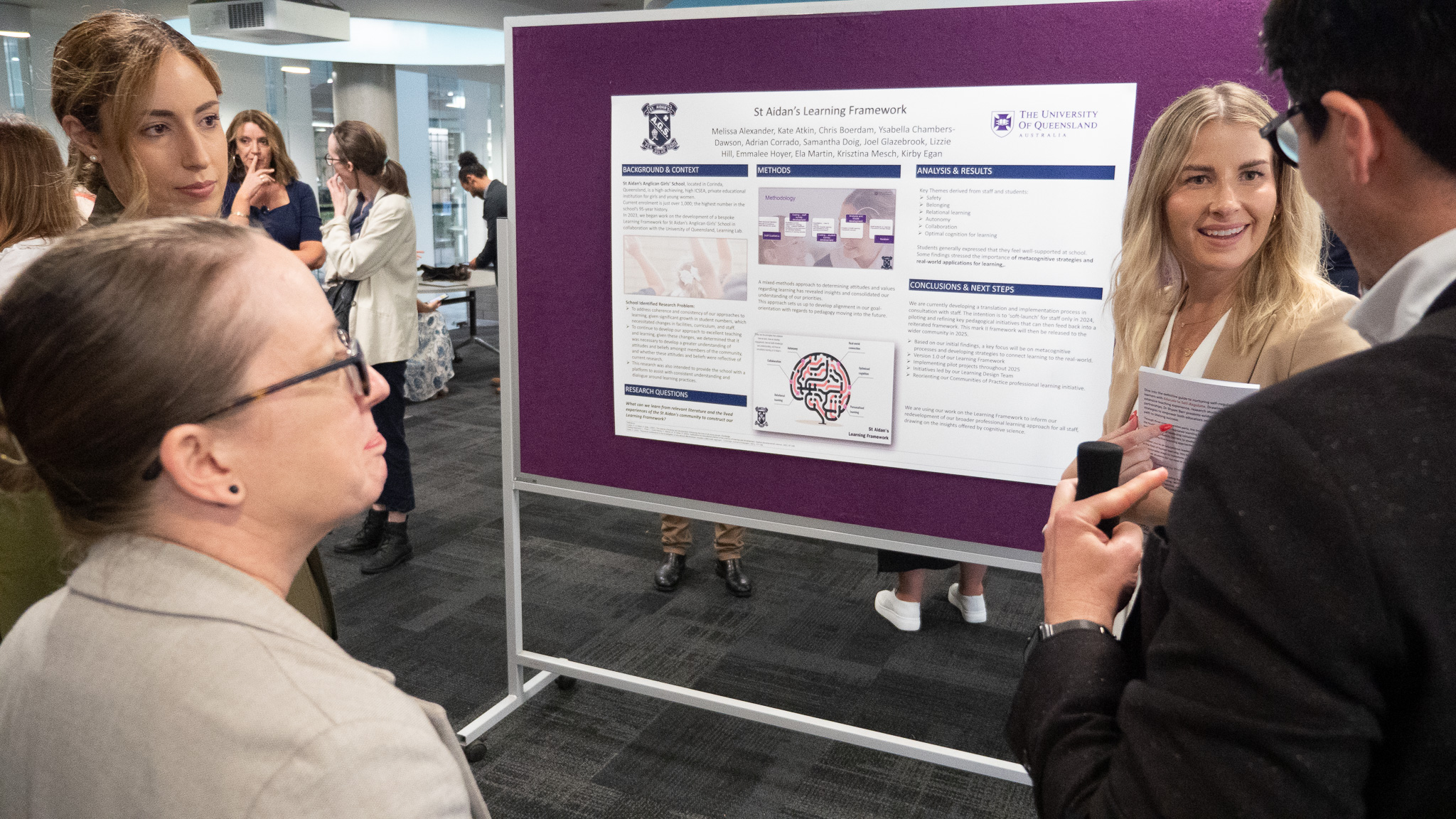
- St Aidan's Anglican Girls School: St Aidan’s Learning Framework
- St Catherine's School: Teaching for Wellbeing
- St John's Anglican College: Do Schools Kill Curiosity?
- St Joseph's College Gregory Terrace: Teacher Buoyancy
- St Peters Lutheran College, Springfield: What we grow here...
- Trinity Grammar School: An Investigation into What Students in P-12 Know About Self-Regulated Learning
- Westbourne Anglican College: Academic Buoyancy and Student Agency
Designing the Future of Learning
UQ Learning Lab Symposium 2023
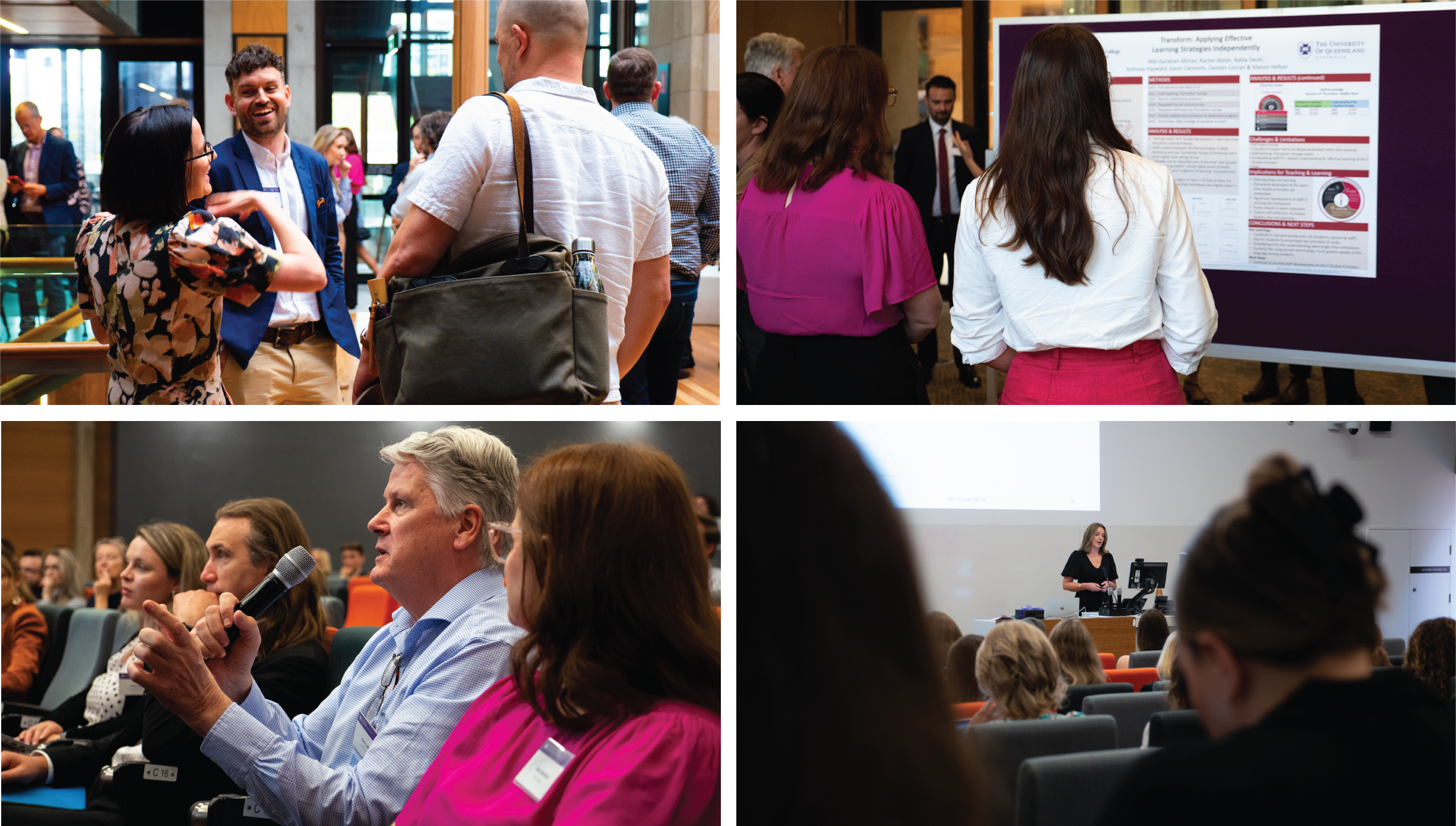
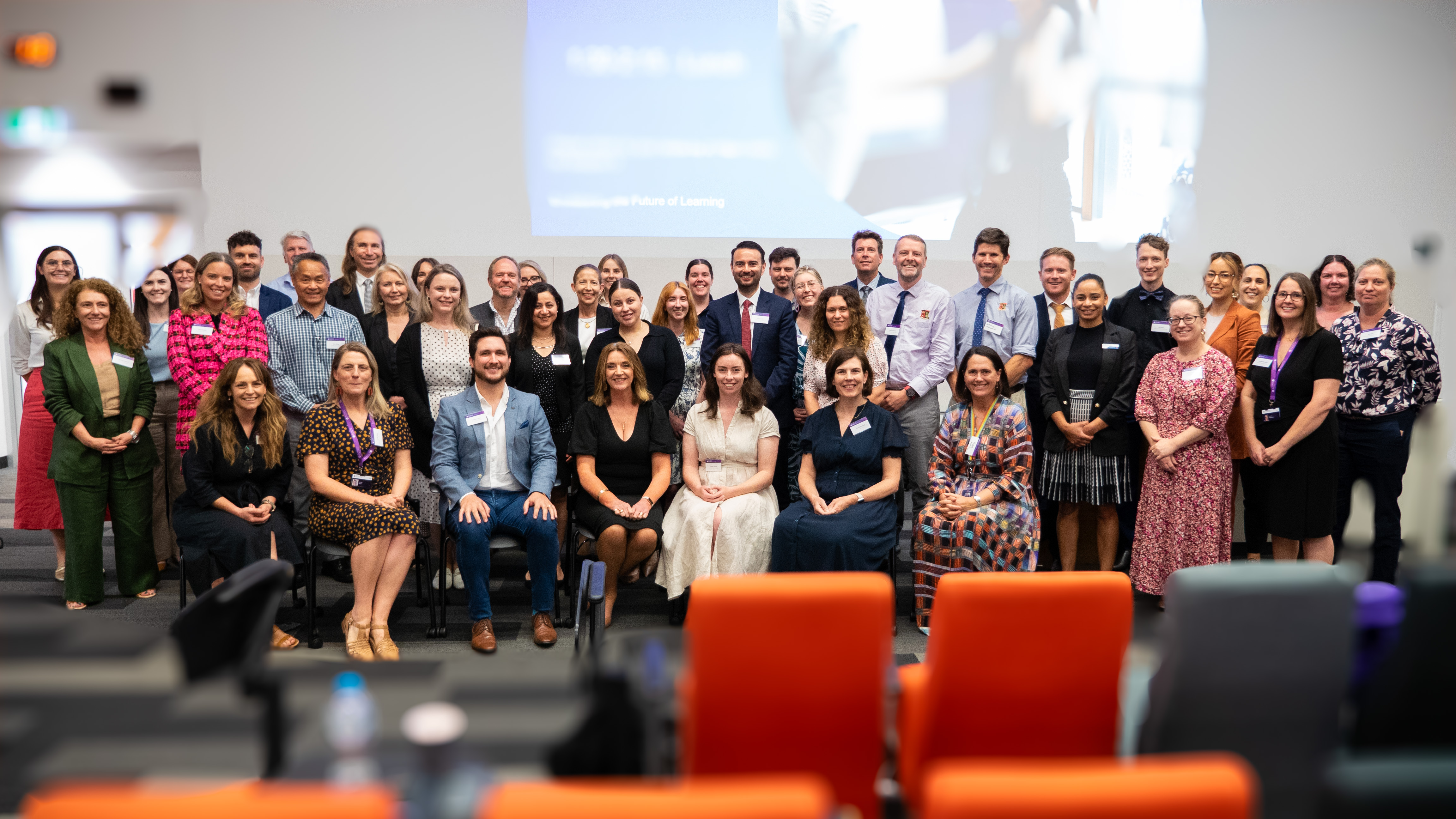
The University of Queensland Learning Lab held its Annual Symposium on Friday, November 10, bringing together a dynamic blend of multi-disciplinary researchers, learning leaders, industry partners, and the wider community to share insights and celebrate the transformative power of collaborative research partnerships. The day featured an exciting lineup of presentations, panel discussions, demonstration sessions and poster sessions, highlighting the work of our industry and school partners, as well as our own multi-disciplinary research team. Attendees had the opportunity to learn about real-world, industry-identified issues and explore unique perspectives, ideas, and initiatives aimed at bridging scientific research with practical application.
Program Highlights
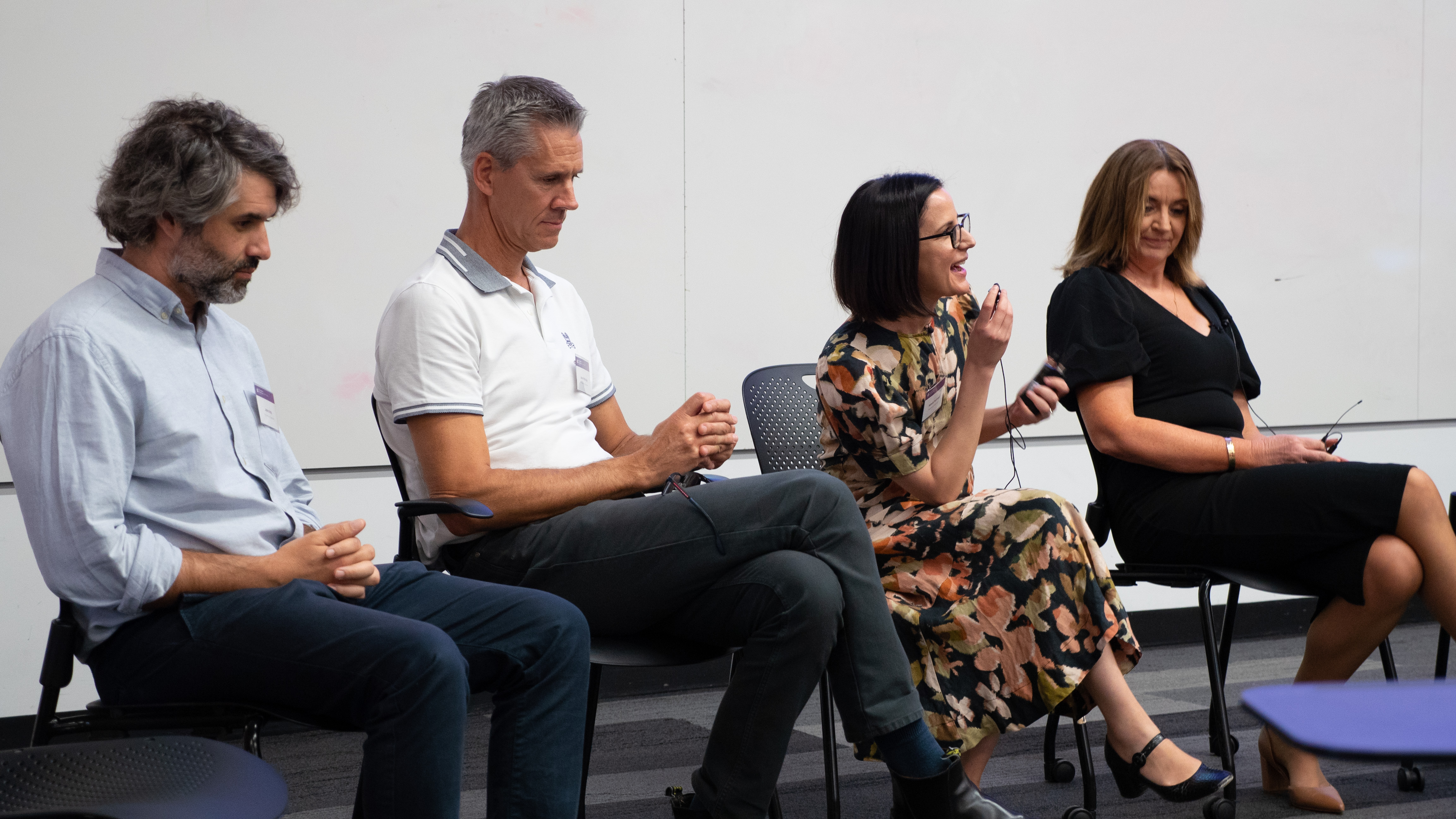
Applying the Science of Learning to Today's Challenges:
Presentations by Professor Jason Mattingley, Dr Natasha Matthews, Associate Professor James Kirby, and Dr Stephanie MacMahon on topics ranging from brain imaging and virtual reality to self-regulation, compassion, and quality learning in the mining industry.
Building The Future: Research from the Partner Schools Program:
Showcasing research from our Partner Schools, including Canterbury College, Melbourne Girls Grammar School, Ravenswood School for Girls, St John's Anglican College, St Joseph's College Gregory Terrace, St Margaret's Anglican Girls School, St Rita's College, Wesley College, and Westbourne Grammar School. The presentations covered a wide range of topics, including investigating effective learning strategies, exploring cultures of curiosity, examining learning in context, and identifying opportunities to support professional learning.
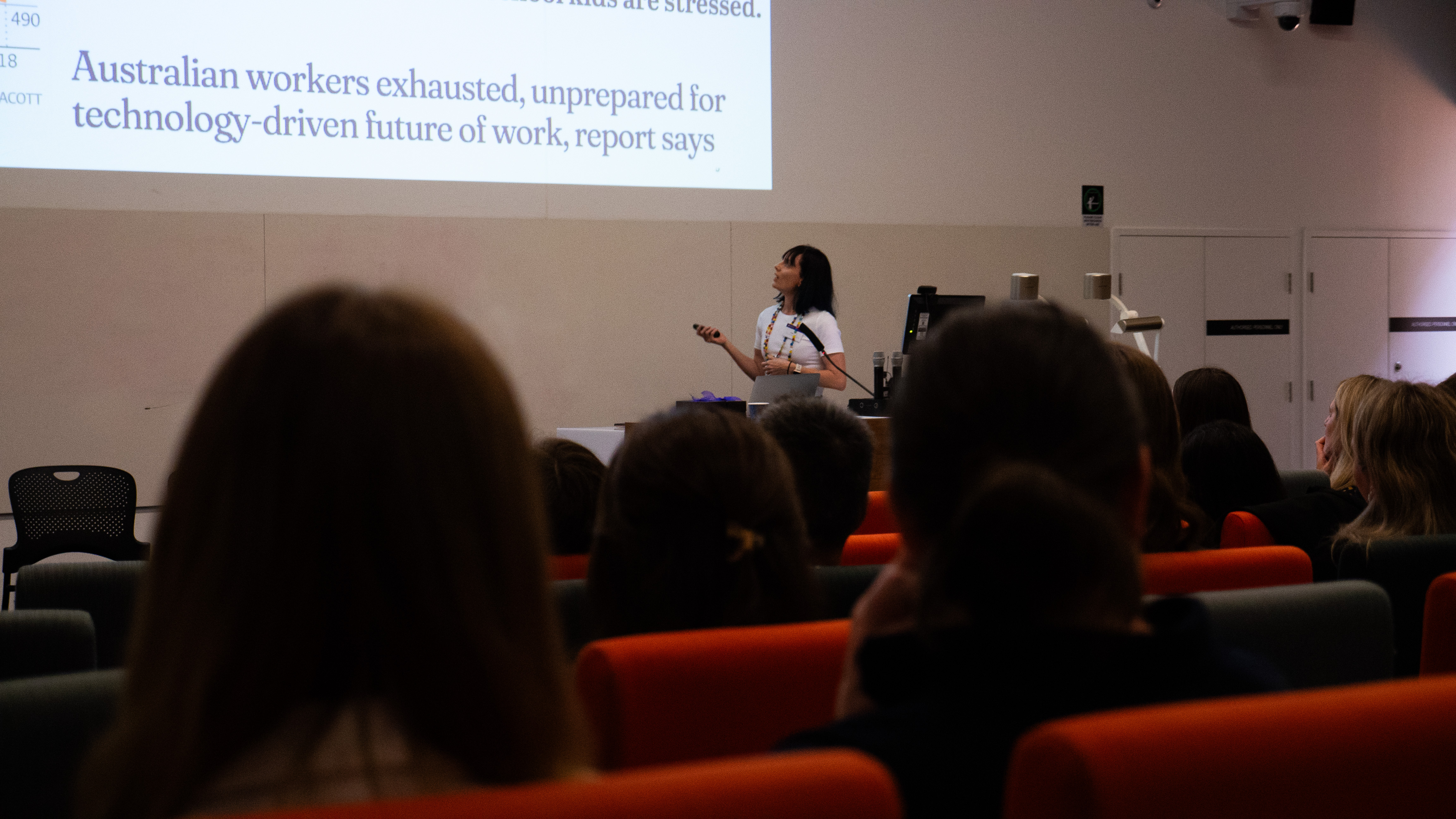
Envisioning the future of learning:
Talks by Dr Sasha Lynn, Dr Mari Farry, Dr Chase Sherwell, and Associate Professor Jason Lodge on the importance of social-emotional skills, integrating research methods into learning design, and the role of generative AI in education.
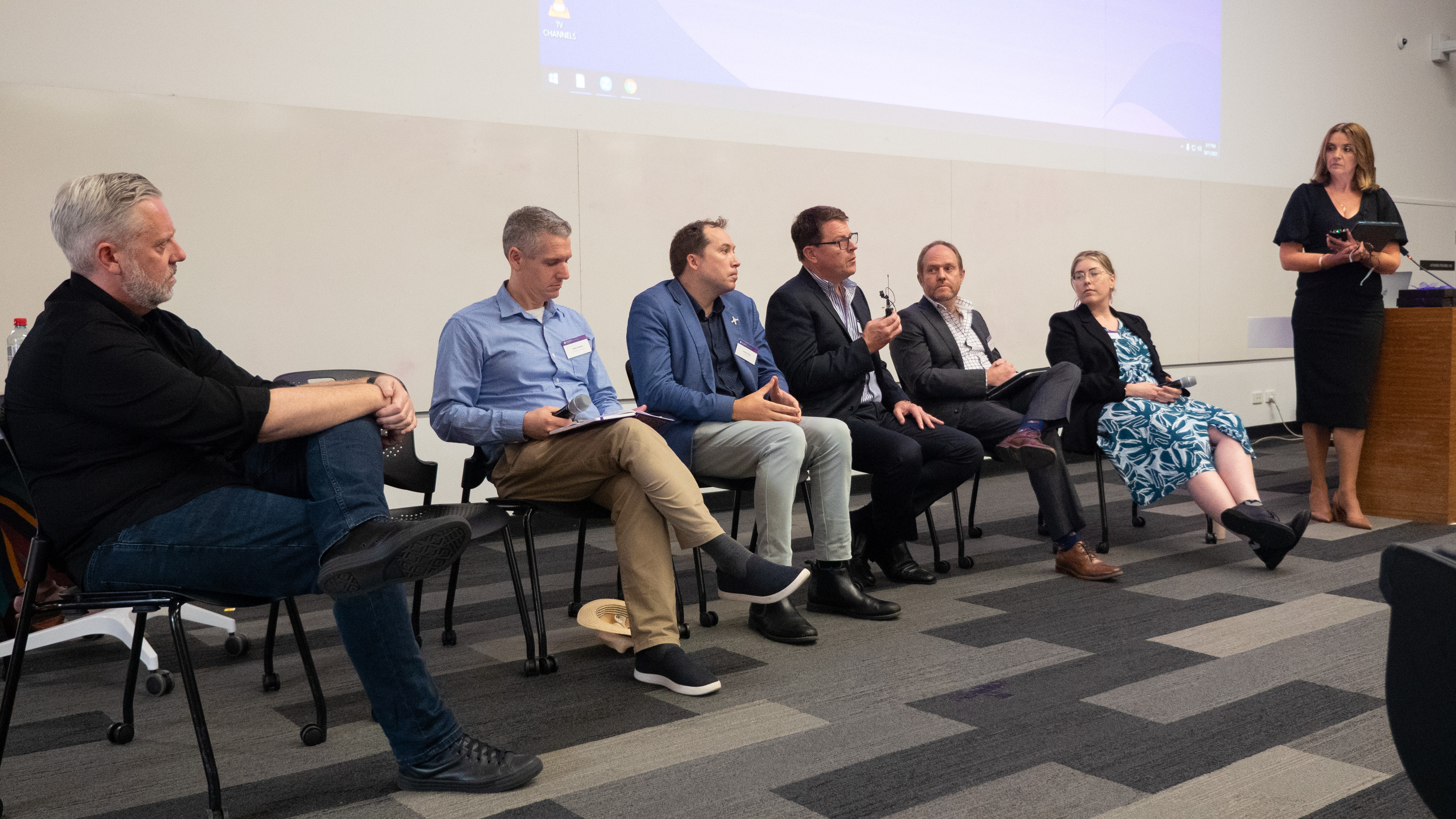
Panel Discussion: Hopes, Challenges, and Outlook for the Future of Learning:
A thought-provoking discussion with panelists Rodo De Boer (Thiess), Rohan Bates (Mater Education), Prof Robin Shields (Head of School of Education, UQ), A/Prof Jason Lodge (UQ Learning Lab), Jenna Cullen (Marsden State High School), and Andrew Landroth (St John's Anglican College), moderated by Dr Stephanie MacMahon (UQ Learning Lab).
Higher Degree by Research Student Posters
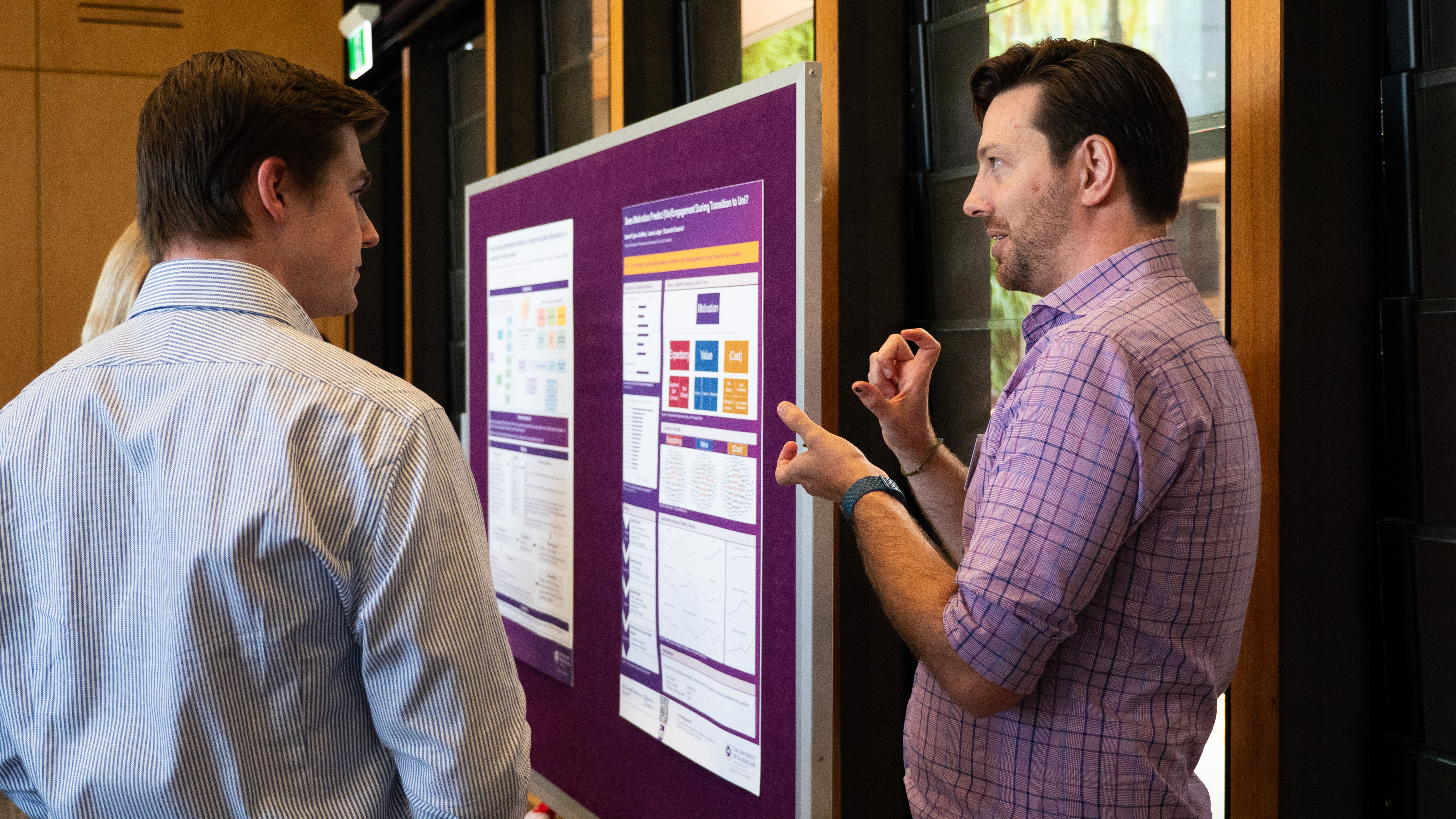
The posters presented at the symposium showcase a diverse range of research projects from UQ Learning Lab's PhD students, covering topics such as understanding and supporting university students' study strategies, investigating the relationship between motivation and engagement during the transition to university, validating a novel emotion-focused app, conducting a systematic review on family-school partnerships to improve student attendance, and evaluating a digital tool for scaffolding collaborative learning.
- Jonathan Brazil: Understanding and Supporting University Students' Use of Study Strategies
- Daniel Taylor-Griffiths: Does Motivation Predict (Dis)Engagement During Transition to Uni?
- Dylan Moloney-Gibb: The Three Circles App
- Tarissa Hidajat: Family-School Partnership Initiatives to Improve Student Attendance: A Systematic Review Protocol
- Suijing Yang: What Can We Do to Scaffold Students in Collaborative Learning?
Partner Schools Posters
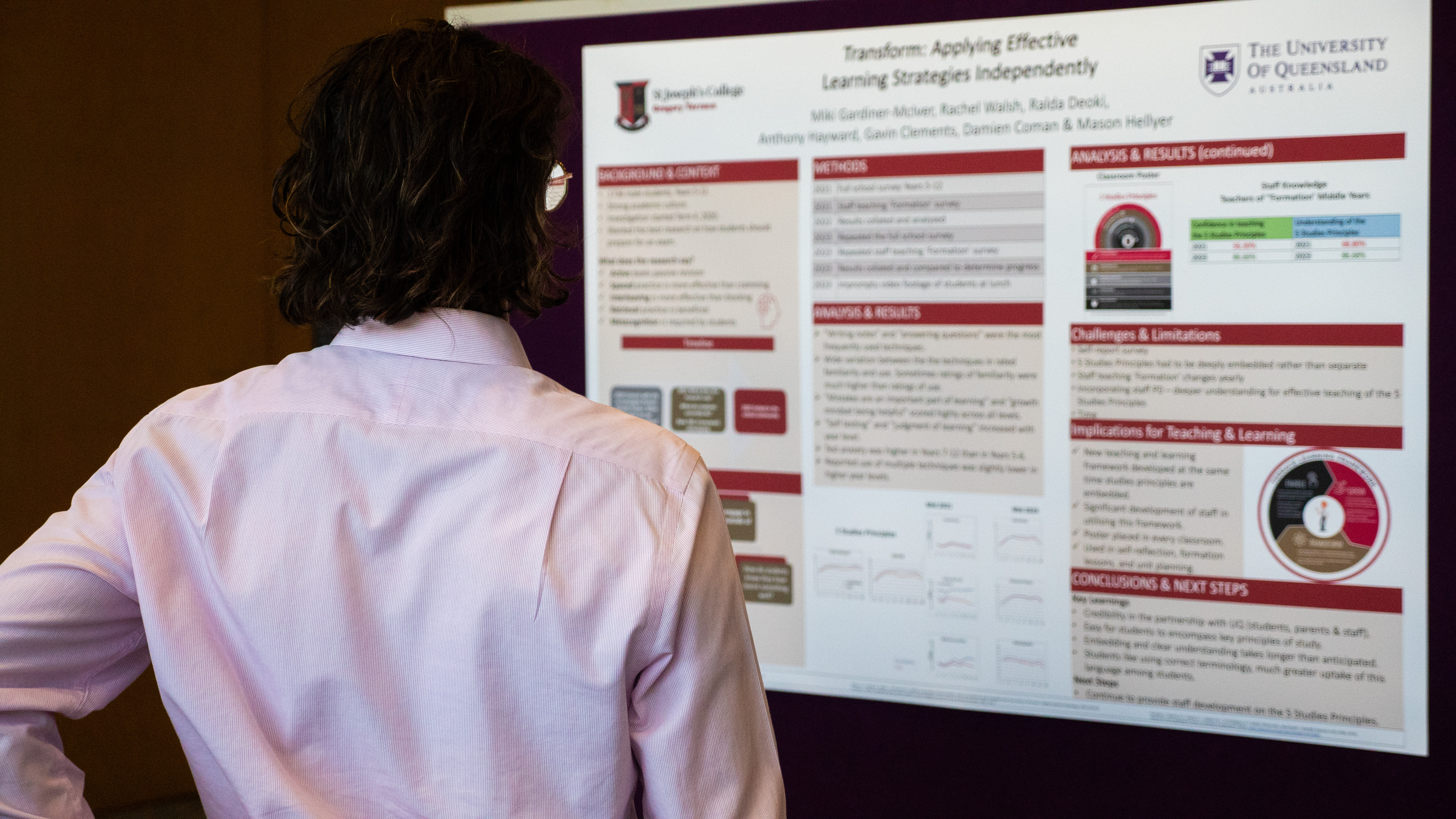
The Partner Schools posters showcase two research projects investigating the factors that influence curiosity in the learning environment and the extent to which students engage in effective learning strategies outside the classroom. Both studies employ mixed-methods approaches, involving surveys and interviews with students and staff, to gain insights into these critical aspects of learning. These posters demonstrate the commitment of UQ Learning Lab's Partner Schools to investigating and improving learning outcomes for their students through evidence-based practices and collaboration with researchers.
- St John's Anglican College: Do Schools Kill Curiosity?
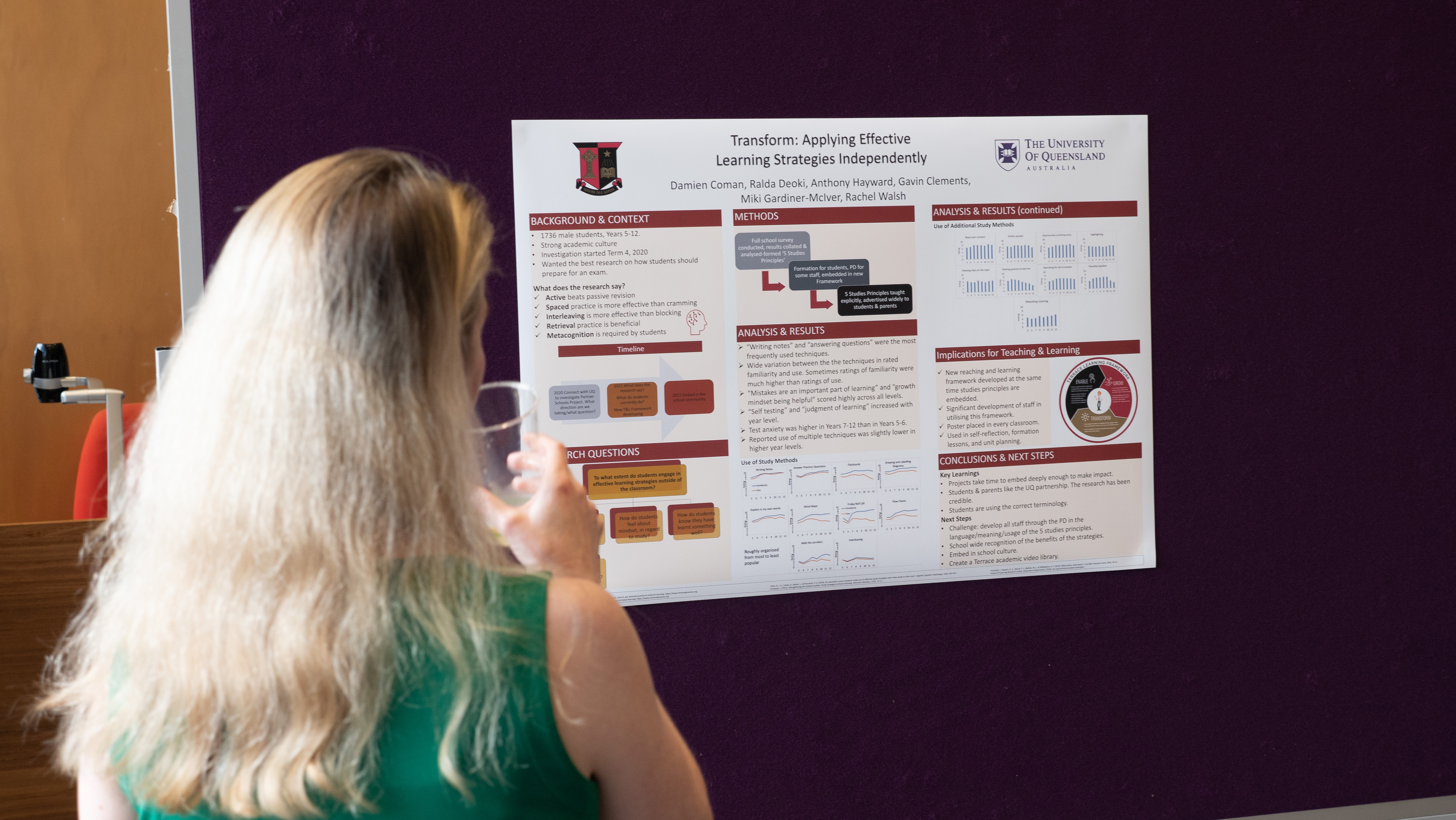
- St Joseph's College Gregory Terrace: Transform: Applying Effective Learning Strategies Independently
Partnering for Transformation
UQ Learning Lab Symposium 2022
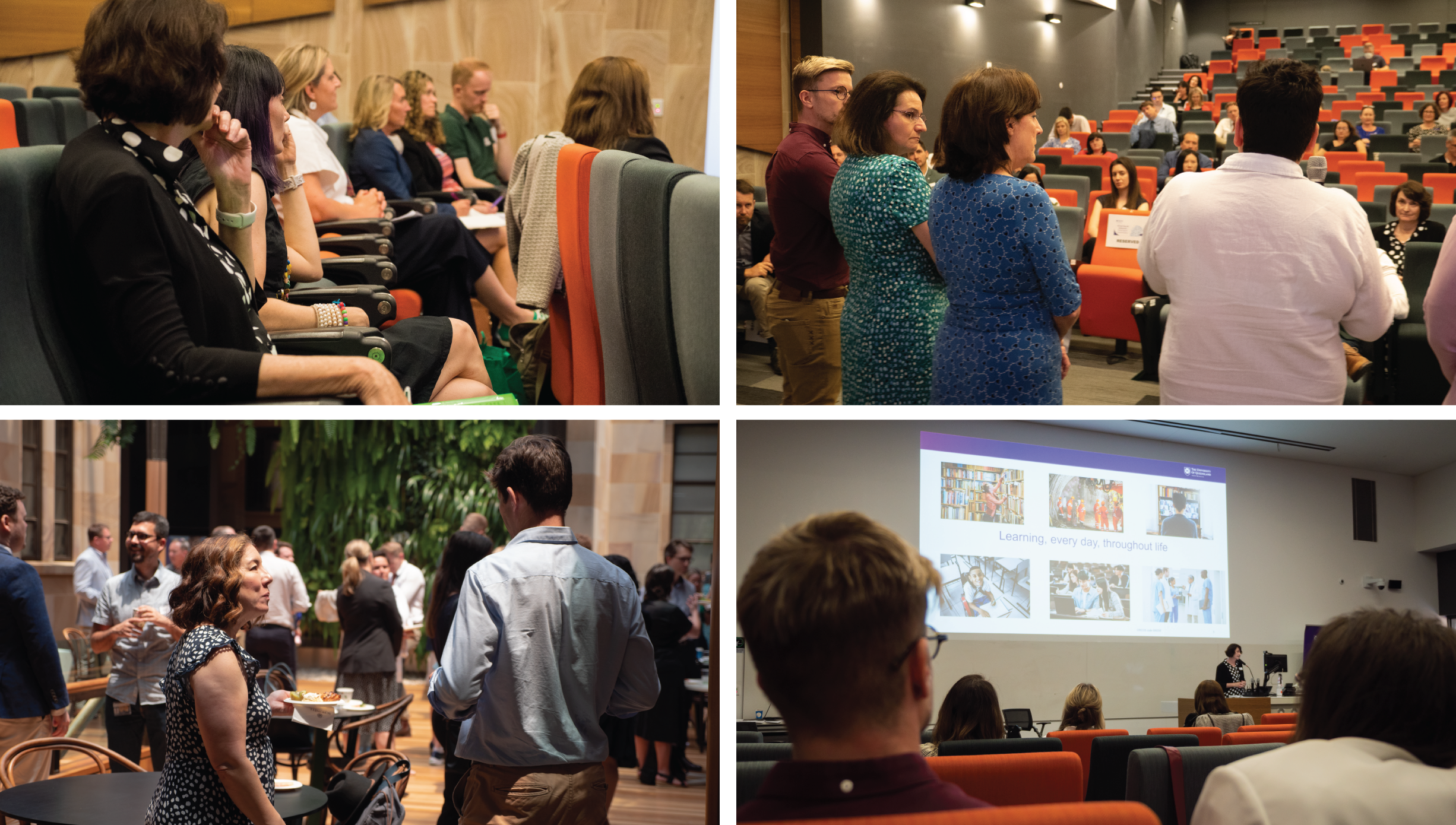
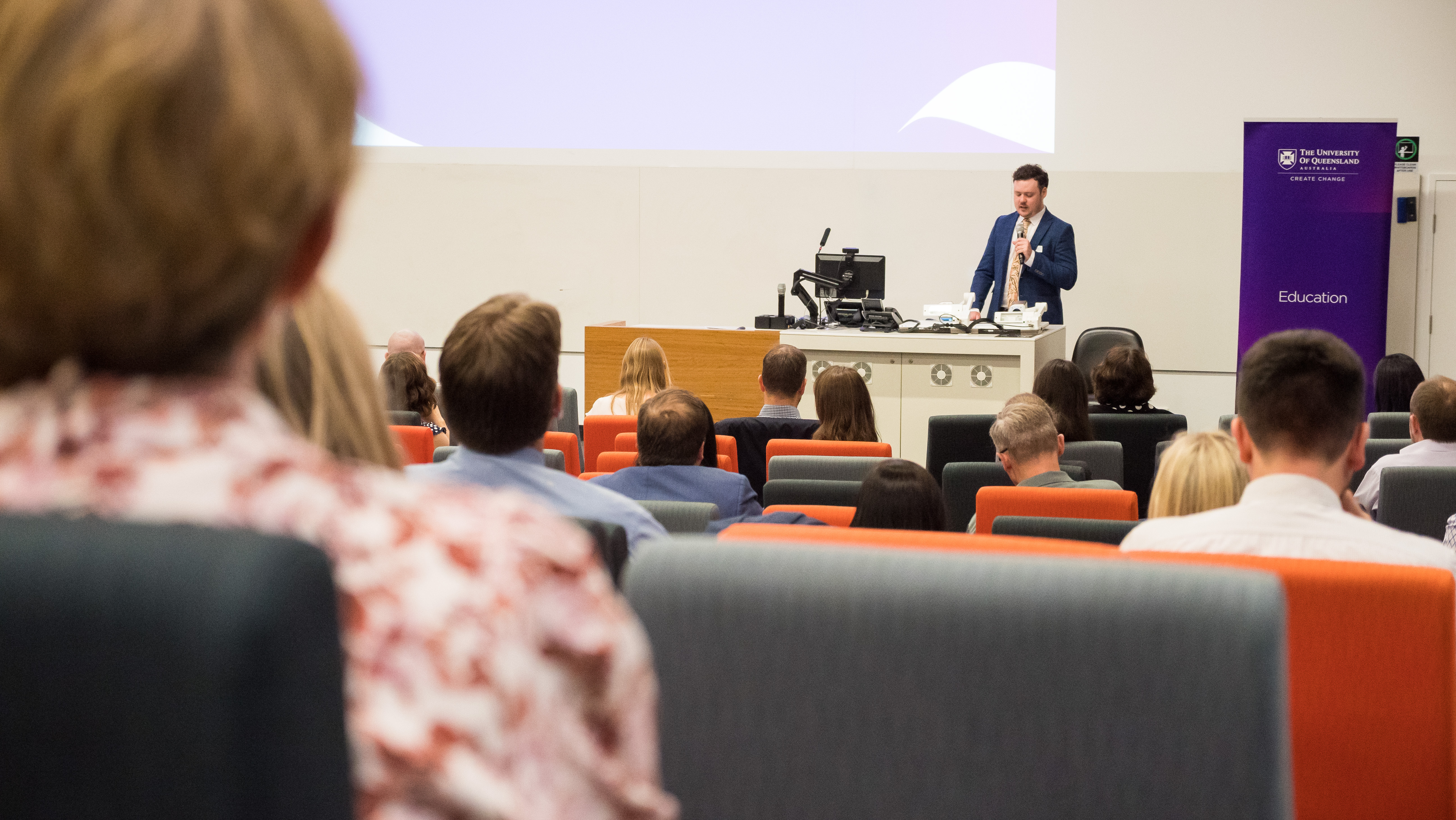
The 2022 UQ Learning Lab Symposium, held at the University of Queensland, brought together multi-disciplinary researchers, industry partners, and educators to share insights and collaborate on transforming learning, teaching, and training practices. The symposium featured a range of engaging presentations and panel discussions.
Program Highlights
- Stories from our Multi-Disciplinary Researchers: Presentations on characterising brain and cognitive changes throughout adolescence, the development of metacognition, connecting social-emotional learning theory and practice, and building teacher efficacy through the Partner Schools Program.
- Stories from our Partner Schools Program: Representatives from Ravenswood School for Girls, Melbourne Girls Grammar School, Wesley College, Canterbury College, Cannon Hill Anglican College, Brisbane State High School, St Joseph's College Gregory Terrace, and Goulburn Valley Grammar School shared their experiences in knowledge production, use, and mediation.
- Stories from our Research-Industry Partnerships: Showcasing collaborations between the UQ Learning Lab and the Resources Training Council, Mater Education, and the University of Queensland, focusing on understanding and transforming training in the mining sector, real-time evaluation of simulation training for clinicians, and the Higher Education Learning Framework (HELF) 2.0.
- Panel Discussion: Transforming the Science of Learning into Action: An insightful discussion featuring panelists from the Resources Training Council, Mater Education, Independent Schools Queensland, Brisbane State High School, and the UQ Learning Lab.
Higher Degree by Research Student Posters
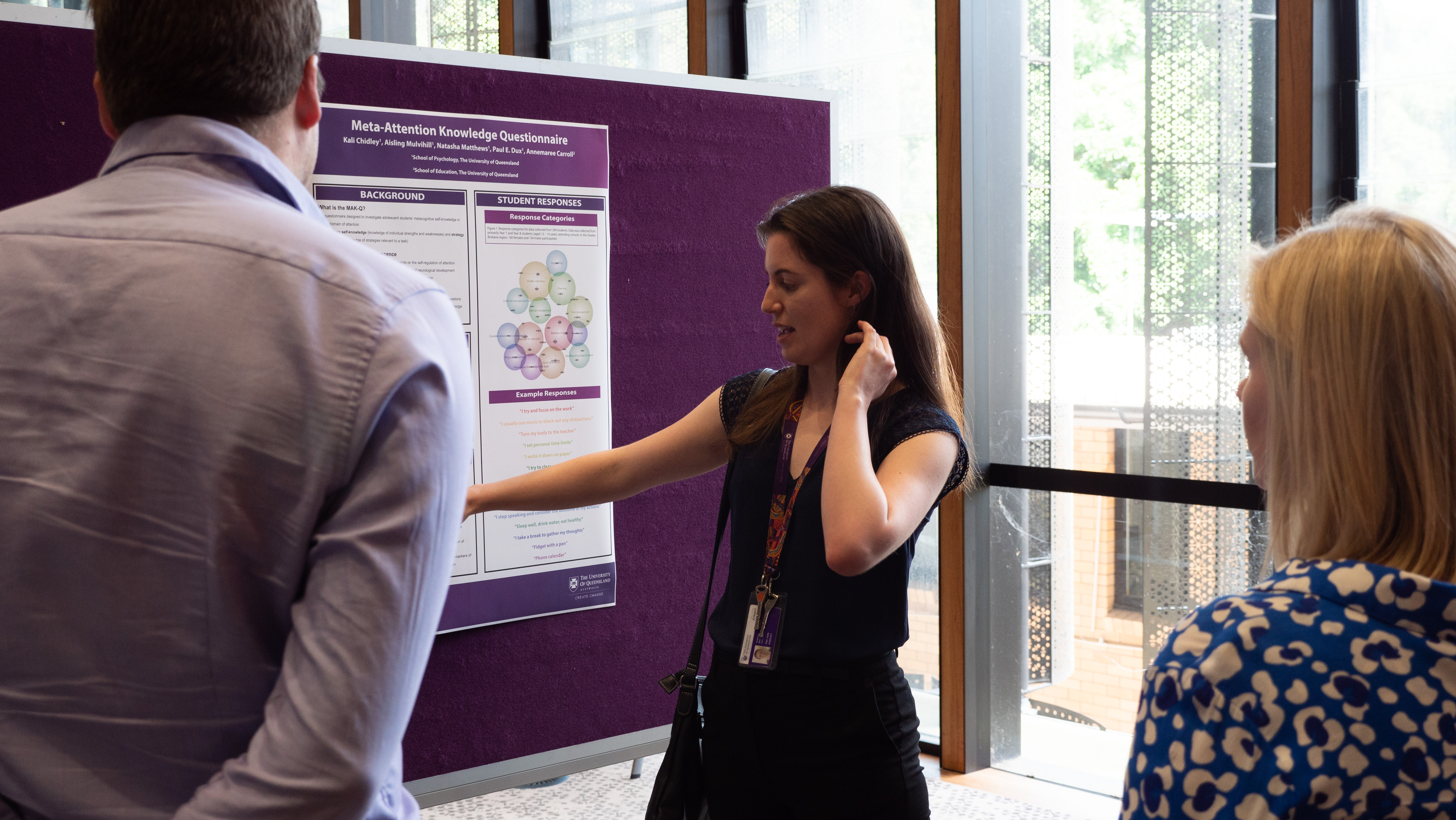
- Kali Chidley: Meta-Attention Knowledge Questionnaire (MAK-Q)
- Jennifer Levitt: Learner Agency: Developing a profile of learners' agentic resources
- Dylan Moloney-Gibb: Testing a new digital approach to measuring emotion systems: The Three Circles App for adolescents
Partner Schools Posters
- Canterbury College: The Learner's Toolkit and the Canterbury Way
- Melbourne Girls Grammar School: Learning Strategies at Melbourne Girls Grammar School
- Ravenswood School for Girls: Fostering a Curious Mindset
- St Joseph's College Gregory Terrace: Transform: Applying Effective Learning Strategies Independently
- Wesley College: Student Perceptions of Safety, Belonging & Engagement at Wesley College